

When the Lights Go Out in Singapore
The city's F&B workers keep being the last to know when businesses close. The Providore is only the latest example.


📌 Table Stakes examines the broad market trends shaping Southeast Asia's F&B scene. He was asleep when his phone rang.
A colleague was calling to tell him that The Providore - where he’d worked for more than five years - was shutting down. That morning. He rushed to the Downtown Gallery outlet, where most of the staff had gathered. No one from management was there. A woman none of them recognised handed out forms listing each employee’s notice period and the salary they were owed. They were told the money could take between six and twelve months to reach them. By the time he arrived, the company had already posted its farewell on Instagram.
He told Mothership he was shocked. He said many of his colleagues were angry. Weeks before the closure, he noticed management quietly clearing wine bottles and liquor from the outlets. Outlet managers were called in the night before and told to bring company laptops and devices to the Downtown Gallery location. Nobody told the staff what that meeting was about
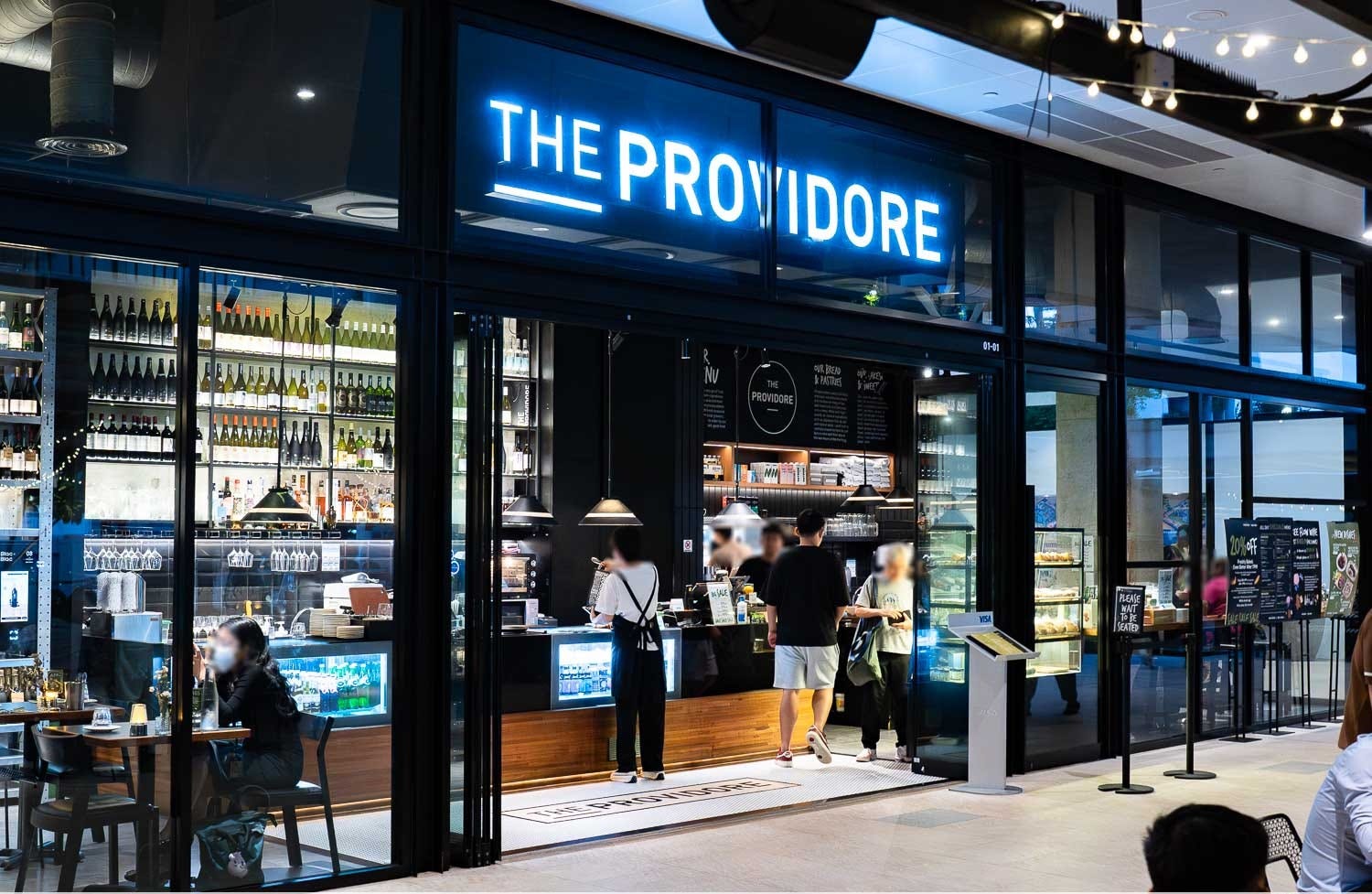
On LinkedIn, Bruce Chapman, The Providore’s former managing director between 2012 to 2024, said he did not have the context to comment. SingFire Capital, one of the acquiring parties, said it’d transferred its entire shareholding to Vino Vibe on 30 April 2025 and has not been involved since. Vino Vibe has said nothing. The liquidation company, ClearView Associates, is handling enquiries.
Nobody’s lying. And that’s the problem.
The Same Story, Again
The Providore is not an isolated case. It is the most recent entry in a pattern that Singapore’s F&B industry has been running for at least two years.
Twelve Cupcakes closed on 29 October 2025. About 80 workers were still on shift when liquidators arrived at their outlets. That evening, they received a WhatsApp message telling them their employment had ended with immediate effect. They were told they would not receive payment until liquidation concluded — a process estimated at six months. Rajesh, a 37-year-old Indian national who worked there, described the situation to Eatbook plainly: “I also have a family of six to feed back home. The fact that this came out of nowhere — I really feel that the owners have abandoned us.”
Half of the Twelve Cupcakes workforce were Singaporeans or permanent residents. The other half held S-Pass or work permits. Under Singapore’s immigration rules, S-Pass holders whose permits are cancelled have 30 days to secure new employment before they must leave the country. Work permit holders have seven.
Before Twelve Cupcakes, there was Jollibean. Workers at multiple outlets arrived in late 2024 to find stores shuttered and repossessed, with no prior notice. A 68-year-old part-time worker at the Pioneer MRT branch, who had worked there for five to six years, was told to close up the moment she walked in. The company owed her more than a month’s wages and three months of CPF contributions. She told CNA: “At first, we worked so hard and did not get paid, so we were very emotional. Now I think, just forget it. I will just treat it as charity.” By September 2025, Jollibean’s director had pleaded guilty in court to 34 charges under the CPF Act. The company was fined $68,000.
In each case, the response from institutions followed the same sequence. MOM opened an investigation. NTUC said it would extend support to union members. FDAWU issued a statement. A liquidator was appointed. Workers were directed to file claims with the Tripartite Alliance for Dispute Management. The machinery moved. Slowly.
Workers are always last to know
Singapore law requires employers to pay final salaries within three working days of dismissal. Employers with ten or more staff must notify MOM within five days of a retrenchment. Both rules exist on paper. What the law does not require is that workers be told what is coming before it arrives.
The result is a system where workers are always last to know and first to absorb the consequences. The five-year Providore employee noticed the stock being moved. The Jollibean worker noticed the store going quiet. The Twelve Cupcakes staff noticed things were tight. Workers notice. They are in the building every day. What they lack is any legal basis to act on what they notice early enough for it to matter.
Ownership transfers make the information gap worse. After Vino Vibe took full control of The Providore in April 2025, the anonymous employee told Mothership that working hours climbed from 44 hours a week to between 60 and 72. Staff gatherings and benefits were cut. Workers stayed — many had mortgages, families, and, in some cases, work passes that tied their right to remain in Singapore to their employer. When the business failed under its new owners, they had no standing to demand answers from a founder who had long since exited, or from investors who had transferred their shares months ago.
What needs to change
Community worker Suraendher Kumarr from Workers Make Possible has pointed to three concrete fixes: require employers to notify unions and workers before closure decisions are executed, not after; make company directors personally liable for unpaid wages; and introduce a statutory fund to support retrenched workers — including migrant workers — while they find new employment.
None of these proposals require new institutions or significant spending. They require political will to prioritise the people at the bottom of the org chart, rather than the creditors at the top.
The man who rushed to Downtown Gallery on the morning of 9 March worked at The Providore for more than five years. He stayed through the ownership change, through the longer hours, through the stripped benefits. When it ended, he was handed a form by someone he had never met, in a building that management had quietly emptied the night before.
He is still waiting to be paid.